


I can’t sugarcoat. It sucks when you’ve been working on a cause, trying to stop something terrible in your community, and it doesn’t go your way.
We do our best here to offer support, tips, and resources. We give a voice to thousands of communities across the country who feel silenced and feel like no one is listening to them.
In 2023, we featured a group of Colorado residents who were working to protect their families, homes, schools, neighborhoods, air, water, and community reservoir from the risks of fracking.
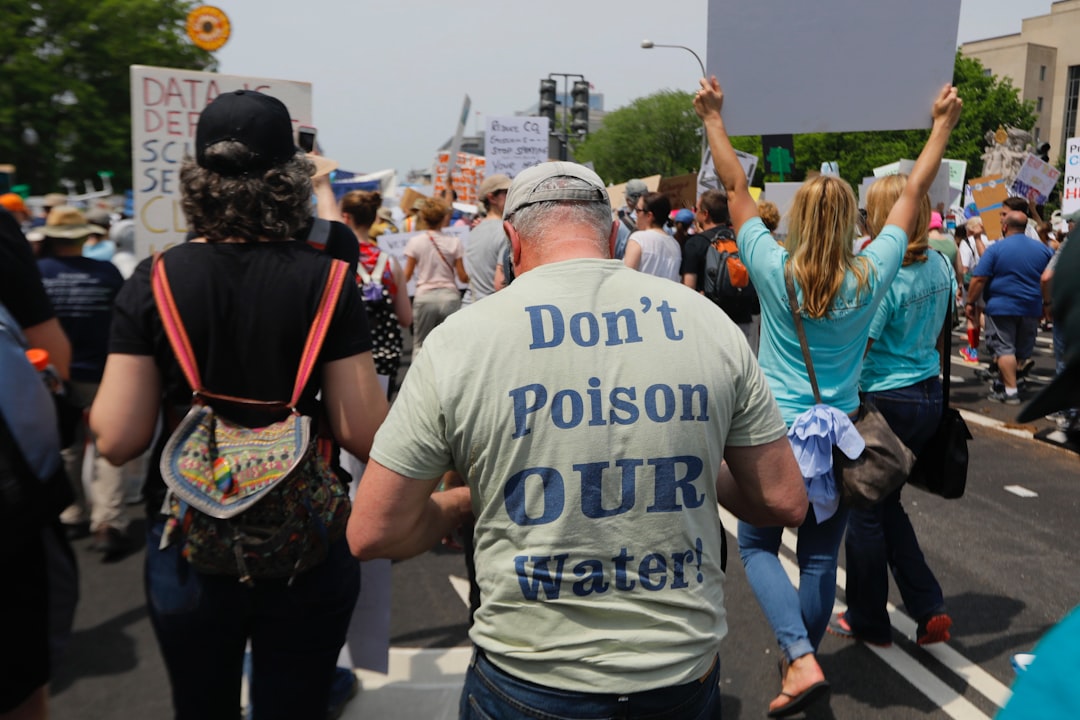
Rachel was one of those people, who has been fighting for more than three years.
She and the rest of the group did everything right. They showed up to public hearings and navigated the labyrinthine machinery of oil and gas regulation. They fundraised and rallied public opposition to the project.
At the end of April, in a narrow 3-2 vote, the Colorado Energy and Carbon Management Commission approved a plan to drill 24 wells on the State Sunlight-Long drill pad.
Fracking will proceed roughly 3,000 feet from the Aurora Reservoir and the families who live nearby.
Her email to us was short. She called it “a devastating update.” She wasn’t sure of next steps. She wanted to say thank you.
I’ve been thinking about her email ever since.
Kermit the Frog once lamented that, it’s not easy being green. I’d add that, it’s not easy being an advocate either.
The people I know who are fighting for their communities are not doing it from positions of comfort and abundance. They are doing it in the margins. In the hours between work and dinner or between school pickup and bedtime. They are doing it with bake sales and Facebook pages and borrowed expertise. They are doing it because nobody else will.
STAR, Save the Aurora Reservoir, organized nearly 2,500 active citizens. They raised more than $100,000. They hired legal representation. They brought in nationally recognized experts. They showed up, en masse, to every opportunity the process afforded them.
And they still lost.
There is a particular kind of grief in that loss. It’s not the grief of having failed. They didn’t fail. It’s the grief of having succeeded at everything within your control and discovering that the system itself was designed to produce a different outcome.
As STAR put it in their statement: “If a community is able to step up, learn about O&G in Colorado, figure out all of the agencies involved... and still have no ability to protect their families, then the system is badly broken.”
That’s not defeat talking. That’s clarity.
So why keep going?
Because even the commissioners who voted yes are watching.
Because Commissioner John Messner, who voted against the permit, said plainly: “I think this will create change. The amount of public interest, the amount of participation, is the same that ultimately created Senate Bill 19-181.”
That bill, the landmark 2019 legislation that reoriented Colorado’s oil and gas regulation around public health, didn’t come from nowhere. It came from communities like this one, from losses like this one, from people who refused to let a setback be the last word.
The record exists now, and that’s not for nothing. More than three years of testimony, expert analysis, and documented community harm will become the foundation the next fight is built on.
I think now about all those people in Aurora who know each other. They know how to organize. They know the regulatory process. They know their opponents’ arguments and how to counter them. Their knowledge doesn’t expire.
Community power, once built, doesn’t simply dissolve because a commission voted the wrong way.
Movements are not sustained by victories alone. They are sustained by the culture of people who keep faith with one another through the losses, who don’t disappear when the news is bad, and who hold the thread so the next person knows where to pick it up.
The fracking will likely move forward near the Aurora Reservoir. That is a real harm, and it deserves to be named as such. The families who live nearby will bear a risk they didn’t choose and couldn’t prevent even with extraordinary effort. We should be honest about that injustice and not rush past it toward a tidy silver lining.
But STAR said it themselves: “The people of our state are not done.”
If Rachel's story lit something in you, don't let that feeling sit idle. Find the issue in your own backyard—the zoning meeting nobody's attending, the permit application filed quietly on a Friday afternoon, or the neighborhood group that needs one more person to show up.
Democracy is not a spectator sport, and the corporate interests making decisions that impact your life are counting on your exhaustion. Disappoint them.
Keep the conversation going in the comments below. Share your thoughts on setbacks and what motivates you to keep going.
This is so sad to hear but corporate greed is real in every state but citizens need to keep fighting in order to eventually make a difference. It takes the whole community and then some to stand up to them. Please keep up the fight.
I am glad and proud to be able to share the planet with someone like you Erin